Reassurance without surveillance

How to Check on Loved Ones Without Tracking Them

You can know your loved one is okay without watching their every move. Here's the difference between tracking someone and a simple daily check-in — and why it matters for trust.

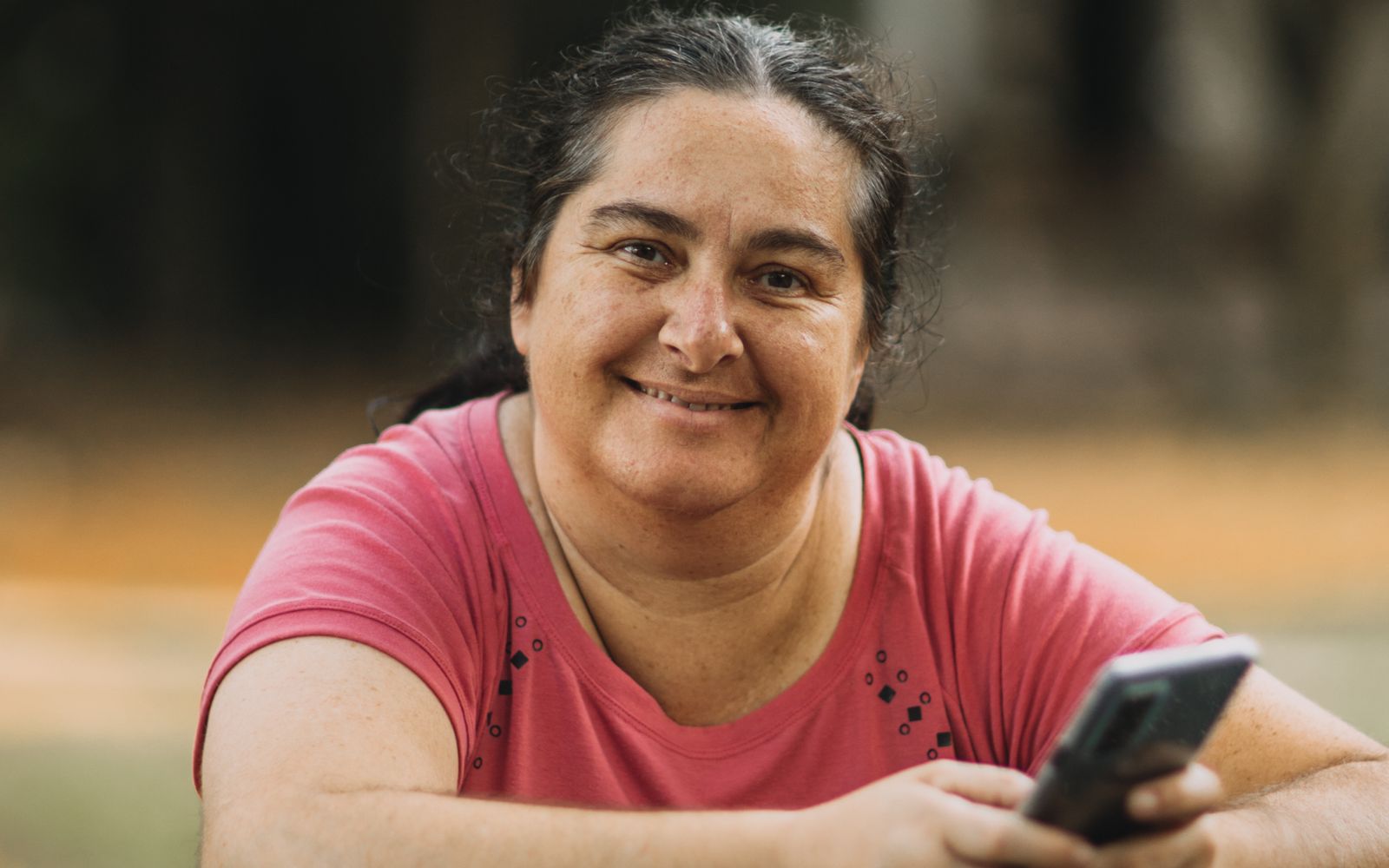
A person calmly holding their smartphone at home, relaxed and trusting

Most people want reassurance, not a map

When you love someone who lives alone, you want to know they're okay. That instinct is good and natural. But the usual answer — a location-sharing app that shows a dot moving around a map — often feels like surveillance to the person on the other end. It can quietly erode the very trust you're trying to protect. Here's the thing worth saying plainly: knowing where someone is and knowing they're okay are two different things. You don't need to watch every move to have peace of mind. You just need a simple, respectful way for them to say, "I'm fine today."

Common complaints about location-sharing apps

If a loved one has pushed back on "Can I just see your location?", they aren't being difficult. The concerns below come up again and again — and they're reasonable. Understanding them is the first step toward a solution everyone can live with.

🔒

Privacy concerns

A live map of where you go, all day, can feel like being watched — even by people who love you. For an independent adult, that's a hard thing to agree to.

For example: a retired dad doesn't mind his daughter knowing he's okay, but bristles at the idea that she can see he stopped at the pharmacy, then a friend's house, then a café.
🔋

Battery concerns

Apps that stream location continuously run GPS in the background, which can drain a phone by mid-afternoon. Ironically, a dead battery means no one can reach the person at all.

For example: a tracking app empties a senior's phone by 3 p.m., so the evening check the family relied on never happens — exactly when it mattered most.
🗺️

A false sense of security

Knowing where someone is isn't the same as knowing they're okay. A phone can sit on a kitchen counter all day, perfectly still on the map, while something is wrong in the next room.

For example: the map shows mum's phone "home" all morning, so everyone assumes she's fine — but a still dot can't tell you whether she's had a good day or a difficult one.

A better approach: daily wellness confirmations

There's a calmer way to do this. Instead of watching someone, you let them tell you. A daily wellness check-in flips the whole arrangement: each day, your loved one simply confirms they're okay with a single tap. No map. No movement history. No sense of being followed.

The goal was never to know where they are. It was to know that they're alright — and to be told, gently, if they might not be.

The contacts your loved one chose are notified only if a check-in is missed. On every ordinary day, nobody is bothered, nothing is shared, and your loved one keeps their full independence. When something does go quiet, the right people hear about it — so a missed check-in actually means something, instead of getting lost in a stream of location pings nobody reads.

GPS tracking apps vs I'm OK

What mattersGPS tracking appsI'm OK
Privacy Shows a live map of where your loved one goes all day, which can feel like being watched. No location, no map, no movement history — just a daily "I'm OK" they choose to send.
Battery Usage Continuous GPS in the background can drain a phone by mid-afternoon. Minimal — essentially a once-a-day reminder, so the phone stays charged when it counts.
Independence Puts the person under observation; decisions about who can see them often aren't theirs. Your loved one stays fully in control — they set the time and choose their own contacts.
Ease of Use Maps, settings, and permissions can feel technical and intrusive to set up. One tap a day — simple enough for anyone, on iOS, Android, or Apple Watch.
Family Trust Can feel like checking up on someone, which sometimes strains the relationship. Built on consent, not surveillance — a shared habit that brings families closer.

Is a privacy-first check-in right for your family?

Tick each one that sounds like your family

Nothing is stored — this is just for you.

0/0

When reassurance replaced surveillance

The mum who said no to GPS

When her son suggested a location-sharing app, Diane drew a firm line — at 72, she'd raised three kids and ran her own household, and she wasn't about to be followed on a map. But a daily check-in felt completely different. One tap each morning to say she's okay, on her terms. She does it with her coffee now, and her son finally relaxes without her feeling watched.

D
Diane, 72Lives alone, fiercely independent
Siblings who rebuilt trust

After their dad moved into a smaller place, Marcus and his sister installed a tracking app "just to be safe." Dad found it intrusive and quietly turned off location, which left everyone worse off. They switched to a daily check-in instead. Now Dad confirms he's okay each day, nobody is staring at a map, and the tension that had crept into Sunday calls simply faded away.

M
Marcus & PriyaCaring for their father from afar
Peace of mind, both ways

Eleanor lives two hours from her daughter and likes it that way — gardening, book club, her own rhythm. A missed check-in is the only thing that would ever prompt a call. So far that's only happened once, when she forgot during a busy day. A gentle reminder, one tap, and everyone moved on. No watching, no worry, no fuss.

E
Eleanor, 68Active and happily on her own
Why many families prefer I'm OK

Each day your loved one taps once to confirm they're okay. If a check-in is ever missed, the people they chose are notified automatically — no tracking, no map, no fuss. It's reassurance built on trust.

👍

1. One tap a day

A friendly daily prompt. One tap says "I'm OK" — no location, no movement, nothing to set up each time.

🔔

2. If it's missed

I'm OK gently reminds first. Only if the check-in is still missed does it notify the chosen contacts.

❤️

3. Loved ones know

The right people are told right away — reassurance, not surveillance, and only when it's actually needed.

🗺️

No location tracking, ever

There's no map, no dot, and no movement history. I'm OK confirms wellbeing — not whereabouts — so your loved one never feels watched.

🔋

Minimal battery use

Because there's no all-day GPS running in the background, I'm OK barely touches the battery. The phone stays charged for the calls that matter.

🎛️

The person stays in control

Your loved one sets their own check-in time and chooses exactly who is notified. Nothing happens behind their back — it's their routine, on their terms.

🔔

Contacts notified only on a missed check-in

On every ordinary day, no one is bothered. Chosen contacts hear from the app only when a check-in is missed — so an alert always means something.

I'm OK Alert app icon

Download I'm OK

Reassurance without surveillance — Free to download. Set up your first daily check-in in minutes, and give the people you love one less thing to worry about.

Frequently asked questions

Does I'm OK track location?

No. I'm OK does not track location, follow movement, or place anyone on a map. It is a daily wellness check-in: your loved one taps once to confirm they're okay. The app never reports where they are — only whether the check-in was made.

How does it use battery?

Very little. Because I'm OK doesn't run GPS in the background or stream location all day, its battery use is minimal — it's essentially a once-a-day reminder. That's a real, everyday difference from continuous-tracking apps that can drain a phone by afternoon.

Who gets notified, and when?

Only the contacts your loved one chose, and only if a daily check-in is missed. When the check-in comes through on time, nobody is bothered. If it's missed, the app first sends a gentle reminder, and only then notifies the chosen contacts — so alerts mean something.

Can my loved one control it?

Yes — completely. Your loved one decides who their contacts are, sets their own check-in time, and is in charge of their own routine. Nothing happens behind their back, which is exactly why people who reject GPS tracking are comfortable with I'm OK.

Is it free?

Yes, I'm OK is free to download on iOS, Android, and Apple Watch. You can set up the first daily check-in in minutes.

Isn't a daily check-in less safe than knowing where someone is?

They answer different questions. A map tells you where someone is, not whether they're okay — a phone can sit in a pocket all day while something is wrong. A daily check-in confirms the thing that actually matters: that your loved one is up, well, and able to tap once to say so.

Will my loved one feel watched?

No, and that's the point. There's no map, no movement history, and no sense of being monitored. Your loved one simply confirms they're okay each day on their own terms, so the relationship stays one of trust rather than surveillance.

More guides for peace of mind