When everyone knows who to reach and how, uncertainty turns into calm. Here's a simple plan any family can set up in an afternoon — gentle, clear, and easy for grandparents, parents, and kids alike.

In a worry moment, the hardest part is often the simplest question: who calls whom? Families lose precious, anxious minutes figuring out who's heard from Grandpa, who has Mom's doctor's number, and who's free to drive over. A communication plan answers all of that in advance. It's not about expecting the worst — it's about removing the friction so that, on the rare day something feels off, everyone already knows their part. The plan does the remembering, so the family can simply act.
A good plan is a short, clear chain of people — not a long list. The aim is for everyone to know exactly where they sit in the chain and what they'd do. Most families need just two roles to start: a primary contact and a backup. From there, a wider-family contact and an out-of-town friend or relative round things out nicely.
The best plan isn't the one with the most names. It's the one everyone in the family can recite without looking it up.
The person most likely to answer quickly and act calmly — often whoever lives closest or talks to the family member most days. They're the first to know if something seems off, and the first to check in person or by phone.
For example: a daughter who lives ten minutes away and already calls her mother each evening becomes the natural primary contact.The steady second line, notified if the primary can't be reached. A backup keeps the plan from depending on one busy person, so a missed call never means a missed concern.
For example: a son in another state is the backup — if his sister is in a meeting, he's looped in automatically and can phone or arrange a neighbour to drop by.A plan earns its keep on ordinary days that take an unexpected turn. Here's how the same simple chain handles three very different situations — calmly, without anyone scrambling.
A family member is away from their usual routine — visiting relatives, on a trip, or staying somewhere new. Their daily check-in keeps everyone reassured, and the plan says who to call if a day goes quiet.
For example: Grandpa flies to see cousins; his evening check-in confirms he arrived and settled, so nobody back home has to wonder.Someone isn't feeling well or has a new prescription to manage. The plan keeps shared medical notes handy and names who has the doctor's number, so the right person acts fast and informed.
For example: Mom feels dizzy one morning; because her medications and clinic number are written in the plan, her primary contact knows exactly what to mention when calling.A storm, power cut, or local disruption rolls through. An out-of-town contact who isn't caught in the same event becomes the family's calm meeting point for passing word along.
For example: a regional storm knocks out the neighbourhood's power; the family's out-of-town aunt becomes the hub, relaying "all safe" between everyone.Most plans follow the same gentle path. A daily check-in either lands and everyone relaxes, or it's missed and the chain quietly steps in — one contact at a time, until the family has word. Here's that flow drawn out, ready to adapt to your own household.
Nothing is stored — this is just for you and your family.
Grandpa Lou loves visiting his children across three states, and the family used to spend each trip texting "Did you hear from Dad?" Now his evening check-in confirms he's settled wherever he is. His daughter Priya is the primary contact; if a check-in is missed, her brother is the backup. The trips feel lighter for everyone.
After their dad started living alone, twins Dana and Marcus didn't want one of them carrying all the worry. Their plan splits the duty: Dana is the daily primary contact, Marcus is the backup, and an aunt three towns over is the out-of-town contact. No one feels overburdened, and Dad keeps his full independence.
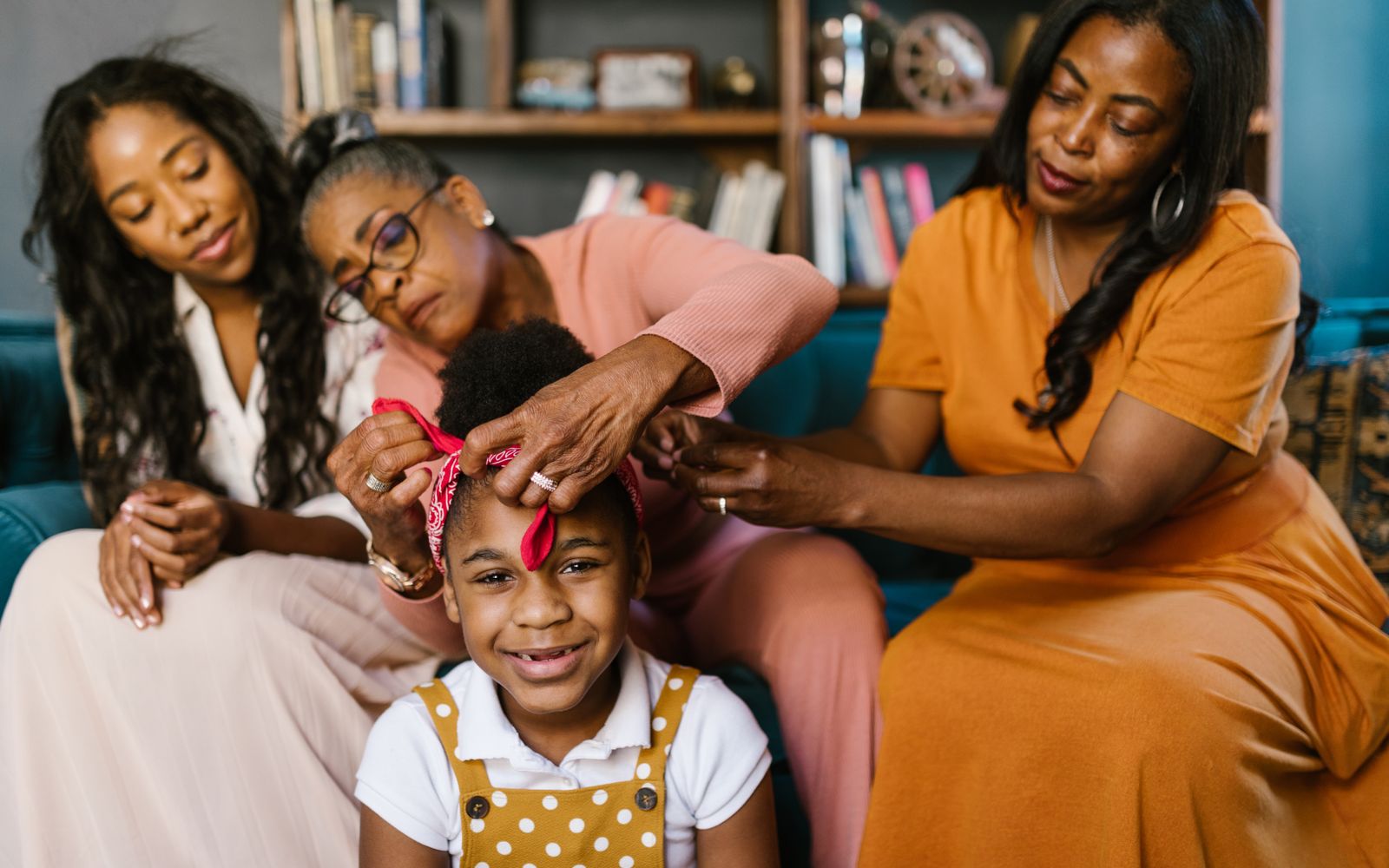
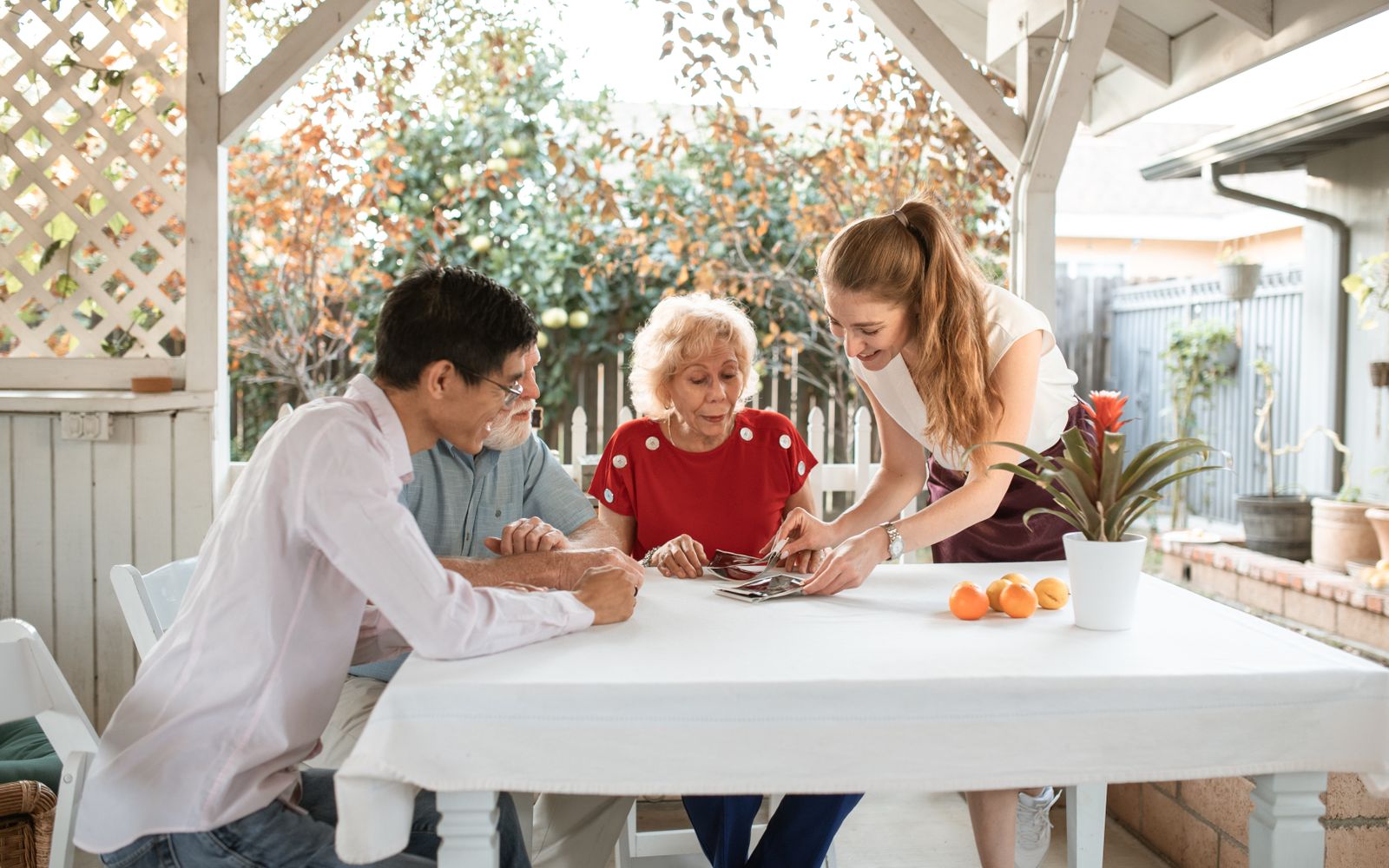
The Okonkwo family wrote their plan at the kitchen table one Sunday. The grandkids learned to tell Mom if Nana seemed unwell; Mom became the primary contact; an uncle in another city is the calm meeting point for storms. It took an afternoon, and it turned a vague worry into a shared, easy habit.
Your plan decides who gets reached and in what order. I'm OK quietly makes it run on its own. Each day the family member taps once to confirm they're okay — a daily confirmation that takes uncertainty off the whole family's shoulders. If a check-in is ever missed, the app gently reminds them first, then notifies the contacts in your plan automatically, in the order you set. No tracking, no surveillance — just the right people informed at the right moment.
A friendly daily prompt. One tap says "I'm OK" — and everyone in the plan can relax, near or far.
I'm OK gently reminds the family member, then alerts your primary contact, then the backup — following your plan.
The right contacts are notified right away, so your family acts together — reassurance, not surveillance.
A confirmed check-in reaches everyone who cares — across cities and time zones — so nobody has to wonder or chase for an answer.
If a day goes quiet, the contacts in your plan are notified automatically, in the order you chose — primary first, then backup, then wider family.
Contacts hear from the app only when a check-in is actually missed. The family member keeps full privacy and control — no GPS, no watching over the shoulder.
Make your family plan run itself with one tap a day — Free to download. Set up your first daily check-in in minutes, and give the people you love one less thing to worry about.
Choose the person most likely to answer quickly and act calmly — often whoever lives closest or talks to the family member most. It doesn't have to be the oldest child or the spouse; it should be the most reachable, level-headed person. Make sure they know they've been chosen and what's expected of them.
Two or three is plenty for most families: one primary contact, one backup, and optionally a wider-family contact who's looped in only if the first two can't be reached. More than three usually adds confusion rather than safety. The goal is a clear chain where everyone knows their place in it.
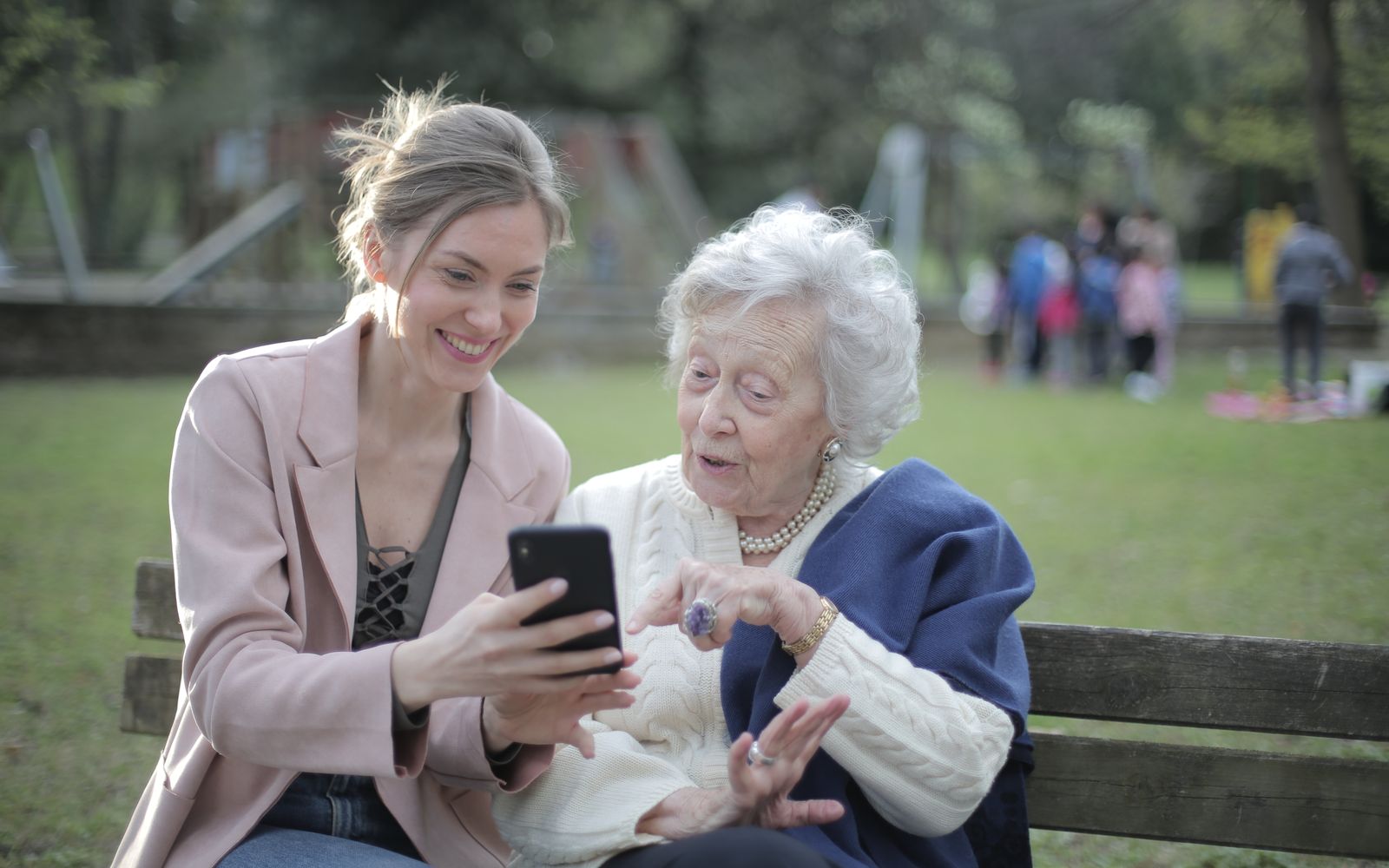
Both, at the right level. Adults handle the contacting and decisions. Children can still play a meaningful role — knowing who to tell a parent if Grandma seems unwell, or simply learning the family's check-in habit. Keep their part age-appropriate and reassuring, never a burden.
That's exactly why a plan has layers. If the primary contact doesn't respond, the backup is notified; if neither can be reached, the wider family is looped in. An out-of-town contact who lives in a different area is valuable because they're less likely to be caught up in the same busy day or local disruption.
The family member taps once a day to confirm they're okay. If a check-in is missed, I'm OK gently reminds them first, then automatically notifies the contacts they chose — in the order set in your plan. It's not tracking or surveillance; contacts hear from the app only when a check-in is actually missed.
Yes. Because the plan is about who gets notified rather than who lives nearby, distance doesn't break it. A daily check-in confirmed in one city reassures family in another instantly, and a missed one reaches your chosen contacts wherever they are. An out-of-town contact is actually a strength in a far-flung family.
No. A family communication plan is mostly a shared agreement written somewhere everyone can see it. The only tool we recommend is the free I'm OK app on a phone, tablet, or Apple Watch — which turns the daily okay into one tap and handles the notifications automatically if a check-in is missed.