For families caring for aging parents

Is Your Aging Parent Still Safe Living Independently?

Most seniors can stay safely and happily in their own home for years — with a little support in the right places. This guide helps you notice the gentle, everyday signs that a parent could use a daily check-in, so you can stay close without ever taking their independence away.

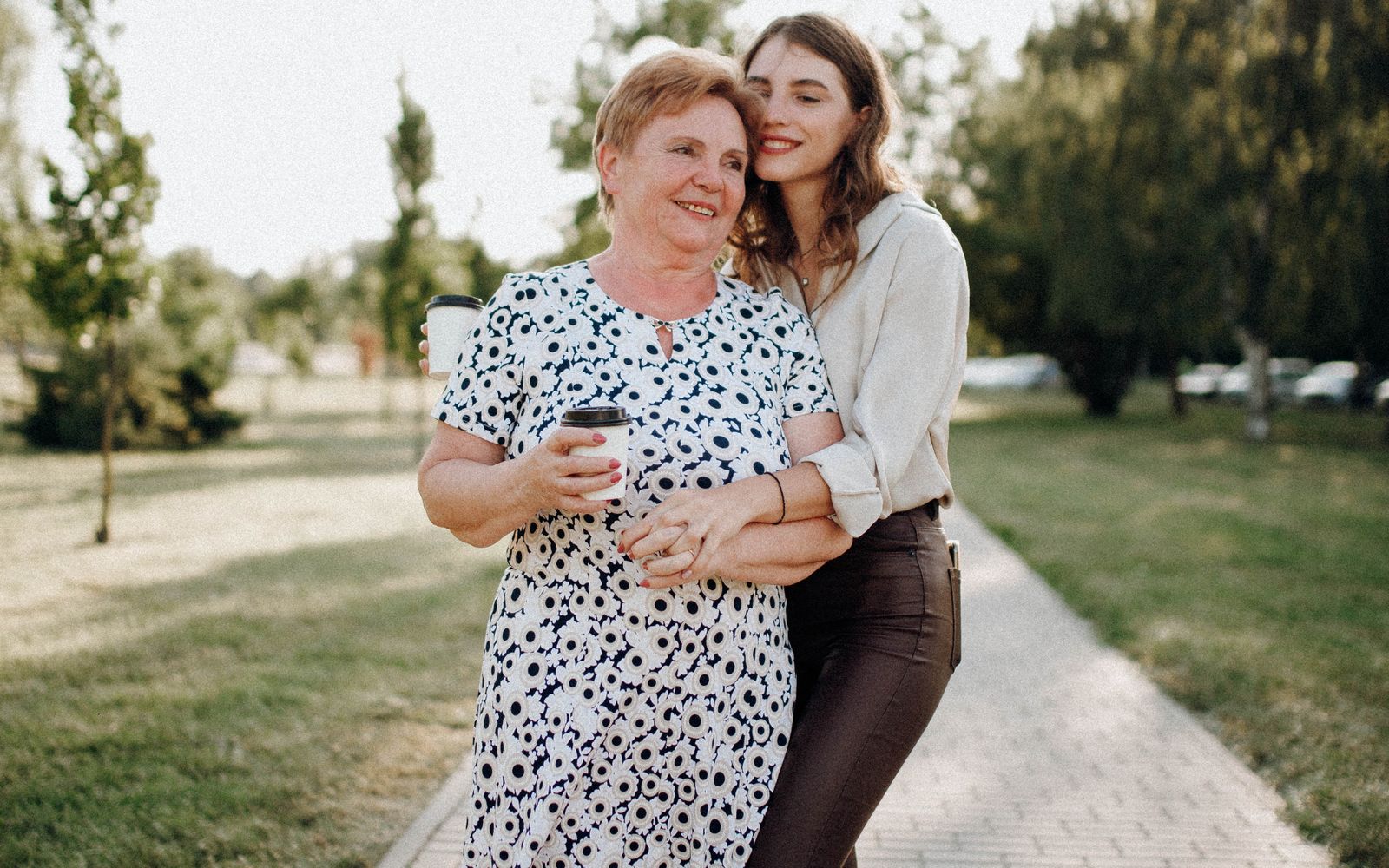
An adult daughter sitting beside her smiling elderly mother at home, sharing a warm moment together

Caring From a Distance Is Hard — and You're Not Alone

If you've ever picked up the phone to call Mom or Dad "just to check," only to feel that flicker of worry when they don't answer right away, you already know the feeling. The hardest part of loving an aging parent who lives on their own usually isn't a single dramatic event. It's the quiet, ordinary question that follows you through the day: how did today go for them?

That question is normal, and it doesn't mean something is wrong. Wanting to know your parent is okay is simply love at a distance. The good news is that there's a calm, practical path between worrying alone and hovering over every detail of their life — and it starts with noticing a few gentle signs.

The 7 Signs Worth Gently Noticing

None of these signs is a verdict. On their own, most are just part of getting older — the kind of thing that happens in every family. But when a few of them start appearing together, they're a kind invitation to lean in a little closer and make sure the day-to-day still feels safe. Read them the way you'd notice a friend looking tired: with care, not alarm.

1

Missed phone calls

Calls go unanswered, or your parent forgets to call back the way they always used to. The silence isn't proof of trouble — but you find yourself filling it with worry.

For example: you call on Sunday like always, it rings out twice, and you spend the afternoon wondering whether to drive over.
2

Medication confusion

A dose gets missed, or doubled, or there's uncertainty about which pill goes with which meal. Managing several medications is genuinely tricky, and it's one of the first places a little support helps.

For example: Dad isn't sure if he took his morning tablet, so he skips it "just in case" — and now you're not sure either.
3

Increasing forgetfulness

The same story twice in one visit, keys turning up in odd places, a recent get-together that's slipped their mind. Small lapses are part of life, but a noticeable uptick is worth gentle attention.

For example: Mom tells you about her neighbor's news on Tuesday, then tells you again — word for word — on Thursday.
4

Missed appointments

The doctor, the hair appointment, the standing lunch with friends — things that used to be reliable start quietly slipping. When the calendar gets fuzzy, the rest of the week can drift too.

For example: the clinic calls to say your father didn't come in, and it's the second one he's missed this month.
5

Growing isolation

Fewer outings, invitations politely declined, whole days that pass without seeing a single person. Connection is part of staying well, and a shrinking world is one of the gentlest signs to watch.

For example: the card club Mom never missed has carried on for weeks without her, and she keeps saying "maybe next time."
6

Mobility concerns

A little unsteady on the stairs, slower getting up from a chair, a new carefulness that wasn't there before. Often it's not a fall — it's the quiet worry about falling that changes how they move.

For example: Dad now takes the stairs one at a time with both hands on the rail, and avoids the basement altogether.
7

Family uncertainty

Sometimes nothing specific is "wrong" — you simply don't know how the day went, and the not-knowing wears on everyone. That low hum of uncertainty is itself a sign worth answering.

For example: you and your sister text each other "did you hear from Mom today?" most evenings, just to feel sure.

Little routines that quietly add up

A weekly pill organizer, a shared calendar, a standing phone call — small habits make a big difference, and most aging parents already have a few of their own. The aim isn't to take any of that over. It's to add one light layer of reassurance on top, so that if a routine slips on a hard day, someone who loves them simply knows to check in.

That's the spirit of every sign above: not a problem to fix overnight, but a nudge to stay gently connected.

A tidy weekly pill organizer and neatly arranged medications on a kitchen counter

When the calendar starts to drift

Appointments and standing plans are more than errands — they're the rhythm that keeps a week feeling steady and a person feeling connected. When a parent starts missing the doctor, the hairdresser, or the regular catch-up with friends, it's rarely about not caring. More often the days have simply blurred together, and a little outside reassurance helps the rhythm hold.

Noticing this early means you can help with a friendly reminder, not a rescue.

A senior reviewing a calendar of appointments with a planner on the table

Quiet days by the window

A peaceful afternoon alone is one of the joys of an independent life. But a long string of days without seeing anyone is different, and it can be hard to spot from far away. A daily moment of contact — even a single tap that says "I'm okay" — gives a gently isolated parent one warm thread back to the people who love them, without anyone making a fuss.

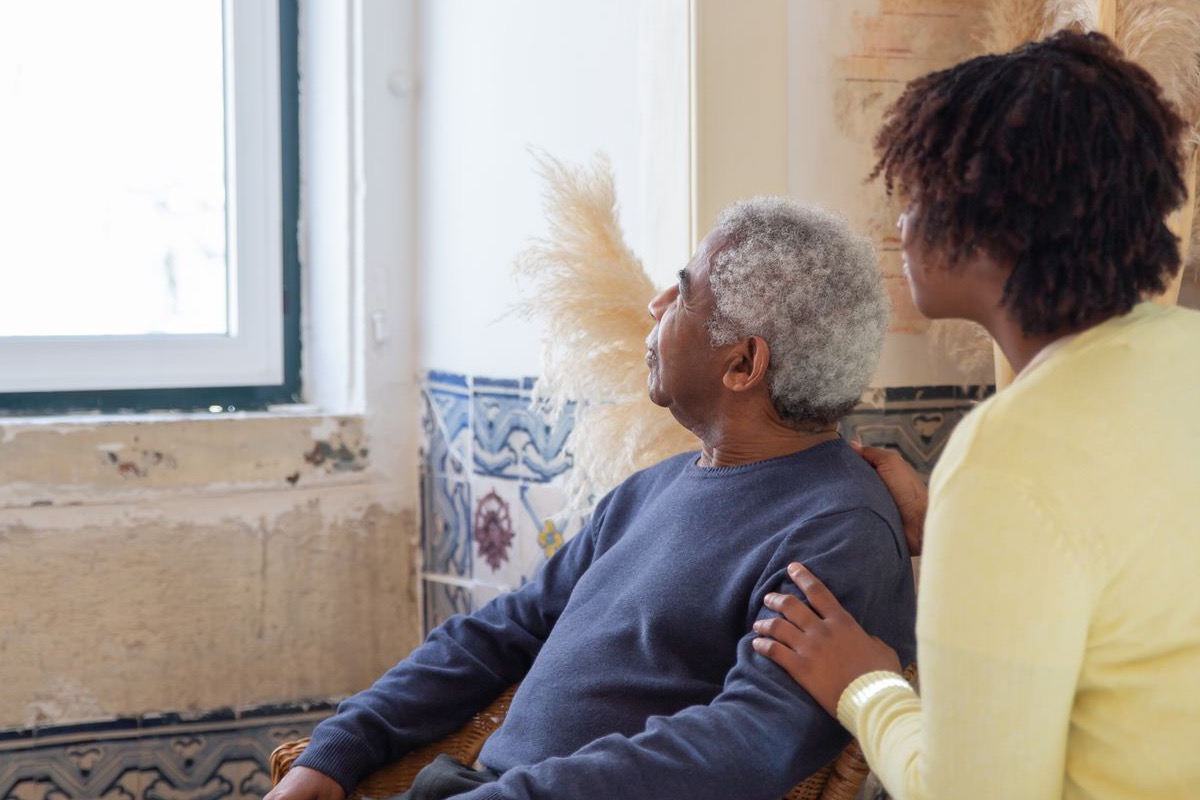
A senior sitting peacefully by a sunlit window, contemplative and at ease

Maintaining Independence Without Constant Supervision

Here's the worry that quietly drives so many of these conversations: that "doing something" about the signs above means doing something to your parent — installing cameras, checking their location, or treating them like they can no longer manage. No wonder the topic feels so tender. Independence is one of the things our parents are proudest of, and the last thing anyone wants is to chip away at it.

The goal isn't to watch over your parent's every move. It's simply to know that today went okay — and to let them get on with living.

That's why a light daily wellness confirmation is so different from monitoring. Instead of a system that watches constantly and reports everything, it asks for one small, dignified thing: a single daily tap to say "I'm okay." Nothing is tracked. No location is shared. The day's activities stay private. The only time anyone is notified is the one moment it matters — when a check-in is missed and a quick call might be welcome.

For the family, that one habit does something quietly powerful: it replaces a hundred small worries with a single calm signal. No more wondering whether to phone again, no more guessing how the day went, no more hovering out of love. And for the parent, it preserves exactly what they care about most — the freedom to live their own life, on their own terms, with the people who love them only a notification away if ever they're needed.


Closeness without hovering

The best support is the kind your parent barely notices and you barely have to manage. A daily check-in stays in the background on the days everything is fine — and only ever steps forward on the rare day it doesn't. That balance is what lets a family feel close from across town or across the country, while a parent keeps their privacy, their routine, and their pride fully intact.

An adult daughter and her elderly mother talking warmly over cups of tea

How Many Signs Do You Recognize?

Tick whichever ones feel familiar when you think about your parent right now. There are no wrong answers, and recognizing a few doesn't mean anything is wrong — it just helps you see the picture clearly.

Tick each one that sounds familiar

Nothing is stored — this is just for you.

0/0

How Families Find Their Calm

The reassured daughter

Karen lives an hour from her mother and used to call twice a day "just to be sure." Now her mom taps her check-in each morning over breakfast, and Karen sees a quiet little confirmation that the day has started well.

"It sounds small," Karen says, "but knowing she checked in lets me actually enjoy my own day — instead of half-waiting for something to go wrong."

K
Karen, 52Mom, 74, lives independently
Coordinating across states

David and his sister live in different states, both far from their dad. They used to leave anxious "did you hear from him?" texts every evening. Now they're both on Dad's contact list, so if a check-in is ever missed, they're notified at the same moment — and whoever's free gives him a call.

"It turned a guessing game into a simple plan," David says. "And Dad loves that nobody's fussing over him."

D
David, 58Dad, 81, lives alone two states away
The independent parent

Eleanor was wary at first — she didn't want to be "checked up on." What won her over was how little it asks: one tap, then back to her garden and her crossword. Her son is only notified on the rare day she forgets, and she rather likes that it keeps everyone at ease.

"It's on my terms," she says. "I keep my privacy, and my son keeps his peace of mind. Fair trade."

E
Eleanor, 78Lives on her own, fiercely independent

A Simple Daily Habit, a Big Peace of Mind

Each day your parent taps once to confirm they're okay. If a check-in is ever missed, the people they chose are notified automatically — no tracking, no location, no fuss. It's reassurance for the whole family, built entirely around your parent's dignity.

👍

1. One tap a day

A friendly daily prompt arrives. A single tap says "I'm OK" — quick enough to do over morning coffee.

🔔

2. If it's missed

I'm OK gently reminds your parent first. Most missed check-ins are just a busy morning — and the reminder is all it takes.

❤️

3. Loved ones know

If there's still no check-in, the contacts they chose are notified right away — so a caring call or visit can follow.

☀️

The day's check-in, in one tap

No app to learn, no menus to navigate — just a single daily moment that fits naturally into your parent's routine, on the iPhone, Android phone, or Apple Watch they already use.

🔔

A gentle reminder, never an alarm

If the check-in hasn't happened, the first thing I'm OK does is offer a soft nudge. It's friendly, not frightening — designed to feel like a thoughtful prompt, not a panic button.

🤝

Contacts notified only if needed — and it isn't tracking

The only thing I'm OK ever sends is a notification to chosen contacts when a check-in is missed. It never shares location, never watches activity, and never reports on the day. Your parent keeps full independence and privacy; the family simply knows the day went okay.

I'm OK Alert app icon

Download I'm OK

Give your aging parent their independence and yourself real peace of mind — Free to download. Set up your first daily check-in in minutes, and give the people you love one less thing to worry about.

Frequently asked questions

How is this different from a medical alert button?

A medical alert button waits for an emergency and asks your parent to press it in their hardest moment. I'm OK works the other way around. Each day your parent taps once to say they're fine — a small, normal habit. If that check-in is ever missed, the people they chose are notified automatically. There's nothing to remember in a crisis and no panic button to find.

Will my parent feel watched or tracked?

No. I'm OK is not GPS tracking or surveillance. It never shares your parent's location or shows what they're doing. The only thing it ever sends is a notification to chosen contacts when a daily check-in is missed. Most parents find that reassuring rather than intrusive — they keep their privacy and their independence, and the family simply knows the day went okay.

What devices does it work on?

I'm OK works on iPhone, Android phones, and Apple Watch. Your parent checks in on whichever device they already use and feel comfortable with — there's no special hardware to buy, charge, or wear around the house.

What happens if a check-in is missed?

If the day's check-in hasn't happened, I'm OK first sends your parent a gentle reminder — often that's all it takes, because they were simply busy or out. If there's still no check-in, the app automatically notifies the contacts they chose, so someone can give a quick call or stop by. You decide together who gets notified.

Who can see the check-ins, and who gets notified?

Your parent chooses their own contacts — that might be one adult child, several siblings, or a trusted neighbor. Only those people are notified, and only when a check-in is missed. No one outside that circle sees anything, and your parent stays in control of the list.

My parent isn't very tech-savvy. Is it easy to use?

Yes. The whole point is simplicity: a single, friendly daily prompt and one tap to confirm. There are no menus to learn and nothing to manage day to day. Many families set it up together in a few minutes during a visit or a phone call, and from then on it just quietly does its job.

Is it free?

I'm OK is free to download from the App Store and Google Play, and you can set up your first daily check-in in minutes. It's an easy first step toward peace of mind for the whole family.

More guides for peace of mind